Surgical Eye Treatment vs. Medical Eye Treatment: Recognizing the Distinction


Article Created By-Sellers Witt
Recognizing the distinction between medical and clinical eye treatment is critical when it comes to eye health and wellness. Surgical eye care addresses major conditions through invasive treatments, while medical eye care concentrates on prevention and management of much less severe issues. Comprehending when to look for each type of care can considerably influence your vision. As you consider your very own eye health, you could question which course is right for you. Let's check out these choices additionally.
Introduction of Surgical Eye Care
When you consider eye care, medical eye care often comes to mind as a vital option for addressing serious vision concerns. This type of treatment focuses on procedures that can remedy or improve substantial problems, such as cataracts, glaucoma, or retinal disorders.
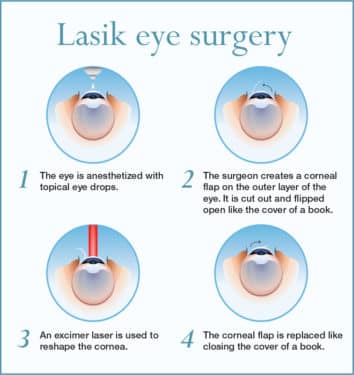
You might think about LASIK or PRK for refractive errors, permitting you to reduce reliance on glasses or contacts. Surgical eye treatment involves an extensive assessment by an eye doctor, who'll assist you through needed tests and talk about the most effective alternatives.
While these treatments can supply amazing results, it's necessary to understand the dangers and healing processes entailed. Eventually, medical eye treatment can offer life-changing enhancements to your vision, improving your quality of life dramatically.
Overview of Medical Eye Treatment
While medical eye treatment addresses significant vision issues via procedures, clinical eye care focuses on the prevention, medical diagnosis, and therapy of much less serious eye problems.
This sort of treatment usually includes handling persistent problems like glaucoma, cataracts, and diabetic person retinopathy. You'll normally go to an ophthalmologist or eye doctor for detailed eye examinations, where they'll analyze your vision and eye wellness.
They may recommend medicines, advise lifestyle modifications, or offer non-invasive treatments to help keep your vision. Regular exams are important, as they can catch possible problems early.
When to Seek Each Type of Treatment
When to look for surgical or medical eye treatment can make a significant difference in your vision health, knowing. If you experience abrupt vision adjustments, like blurriness or loss of view, it's important to seek instant clinical interest.
Clinical eye care is often your initial step for conditions like dry eyes, allergic reactions, or infections. You ought to see an eye doctor for normal exams to take care of continuous problems.
On the various other hand, if you're handling innovative cataracts, retinal detachment, or glaucoma that hasn't reacted to medication, surgical intervention may be necessary.
Constantly trust your reactions-- if something feels off with your eyes, don't wait to consult an expert. Your aggressive strategy can cause better results for your vision.
Conclusion
To conclude, knowing the distinction between clinical and surgical eye care is critical for preserving your vision. If you're facing serious eye conditions, surgical options might offer the aid you need. Conversely, for less severe problems, normal healthcare can keep your eyes healthy and balanced and protect against more issues. By understanding when to seek each kind of care, you can make enlightened choices that sustain your total eye health and wellness and guarantee you get the ideal treatment at the correct time.
Surgical Eye Care vs. Medical Eye Care: Understanding the Difference
When it comes to eye health and wellness, recognizing the distinction in between clinical and surgical eye treatment is important. Recommended Internet site with invasive treatments, while medical eye treatment focuses on prevention and management of much less extreme problems. In https://www.cleveland.com/coronavirus/2020/10/cleveland-lasik-plastic-surgeons-have-seen-more-demand-during-pandemic.html , understanding the distinction in between medical and medical eye treatment is essential for preserving your vision. Conversely, for much less extreme problems, normal medical treatment can maintain your eyes healthy and balanced and stop further problems.